Road traffic injuries are an escalating public health and development crisis in Bangladesh, claiming thousands of lives and causing serious injuries every year. While the 2018 High Court-endorsed guidelines for emergency medical services and protection of Good Samaritans laid a foundation, most crash victims still receive little to no care before reaching a hospital.
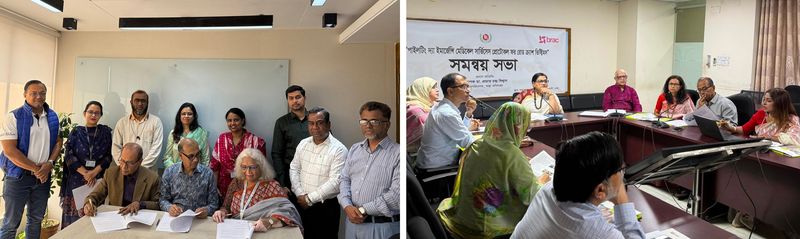
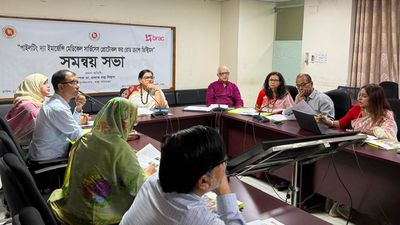
To bridge this critical gap, BRAC Health Programme and BRAC Road Safety Programme, in partnership with Bangladesh Health Watch (BHW), are piloting a community-based emergency trauma response system at two high-risk road crash sites. The initiative named “Piloting the Emergency Medical Services Protocol for Road Crash Victims” operationalizes the nationally endorsed guidelines, covering three crucial stages: on-site response, transport, and facility-based care.
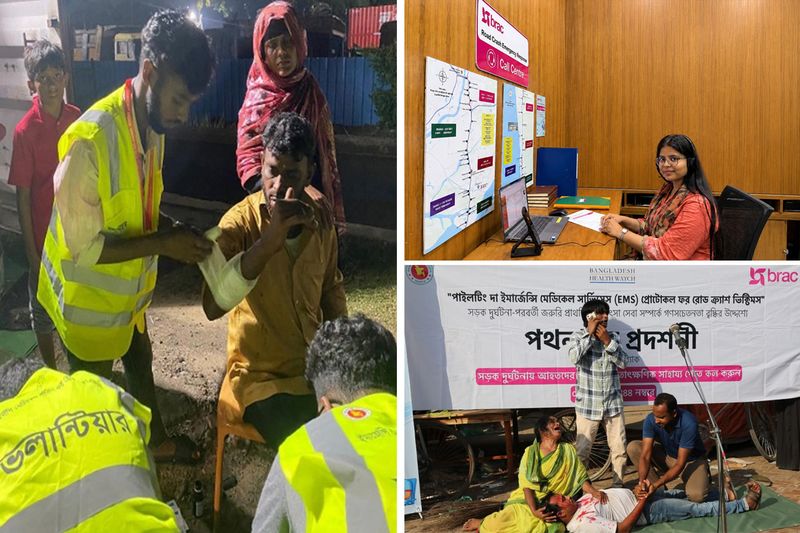
The pilot model mobilizes trained Community Health Workers, strategically placed volunteers and transporters, a 24/7 call centre, and digital coordination groups linking responders with law enforcement, fire services, and healthcare facilities. By delivering structured, time-sensitive trauma care from the crash site to hospital handover, the project seeks to reduce preventable deaths and disabilities, while testing the model in real-world conditions to identify challenges, highlight best practices, and generate evidence for a potential nationwide scale-up.
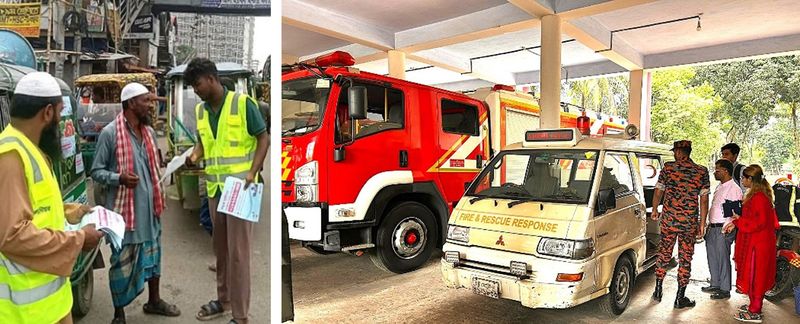
Through this project, BRAC is not only helping reduce preventable deaths and injuries but also contributing to SDG Target 3.6, moving Bangladesh closer to halving road traffic fatalities by 2030 and ensuring safer, faster, and more coordinated emergency care for all road crash victims.