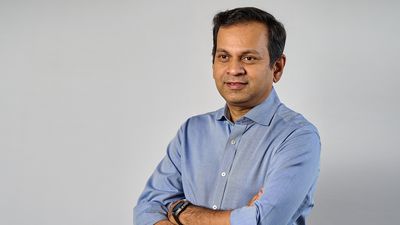
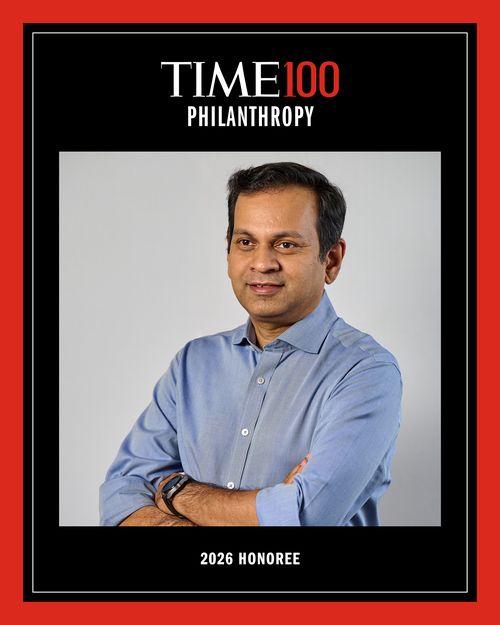
Asif Saleh, Executive Director of BRAC, the world’s largest southern-led nonprofit, has been named to the second-annual 2026 TIME100 Philanthropy list recognising singular figures who are shaping the future of giving.
The full list will appear in the May 25, 2026 issue of TIME, available on newsstands on Friday, May 15, and now at ti.me/100-philanthropy.
“Following last year’s drastic cuts in foreign aid spending, some people have called for a better model for global aid,” TIME noted. “BRAC, and its executive director Asif Saleh, might have an answer. While BRAC has certainly been affected by aid cuts, it’s been able to weather them thanks, in part, to its diversified funding strategy… This hybrid model mirrors its “whatever it takes” philosophy on development.”
BRAC, which develops and scales proven solutions to end poverty and inequality, has partnered with more than 145 million people and works across 14 countries in Asia and Africa. Founded in the newly formed Bangladesh in 1972, BRAC is the only NGO of its scale founded in and led from the Global South.
“This recognition belongs to the people across Asia and Africa who have partnered with us over the past half a century, and our staff, who work tirelessly to improve the lives of the people in their communities every day,” Saleh says.
This recognition belongs to the people across Asia and Africa who have partnered with us over the past half a century, and our staff, who work tirelessly to improve the lives of the people in their communities every day.”
Asif Saleh
Executive Director, BRAC
The TIME100 Philanthropy list recognises 100 individuals who are reimagining the ways giving can drive meaningful change. The list includes philanthropists such as Kate Capshaw & Steven Spielberg, MacKenzie Scott, and Susan and Michael Dell. Saleh was recognised in the Leaders category along with Rajiv J. Shah, Idris Elba & Sabrina Dhowre Elba, and Lionel Messi.
The honour comes at a defining moment. “We are at an inflection point as a world,” Saleh adds. “Extreme poverty is rising again, conflict is fracturing supply chains, and an affordability crisis is pushing millions back below the poverty line. These are symptoms of a world that has not been ambitious enough about equality. We cannot respond with more of the same. What this moment demands is a fundamentally greater ambition: to build a world that is genuinely more equal for all. It also demands a different way of pursuing it: one that recognises people as the agents of their own change, not its beneficiaries.”
Since 1972, BRAC has educated 15 million children, lends $7 billion a year in microloans, and has supported more than 2.3 million families to lift themselves out of extreme poverty. In fact, BRAC has pioneered what is arguably the world’s most effective model for graduating people out of extreme poverty, and is on track to reach millions more households through partnerships with governments across Africa and Asia.
From 2024-2025, BRAC partnered with 26 million people in Bangladesh, or one in every seven people in the country. That scale is the result of a solutions ecosystem approach to development—a constantly evolving constellation of social development programmes, social enterprises, investments, and a university that share the same ethos for solving social challenges. Today, only 10% of BRAC’s total budget in Bangladesh comes from donors; the rest is generated through surplus from microfinance and social enterprises, as well as dividends from mission-aligned investments.
“Invest in people's capacity, and the returns are extraordinary and sustainable—they compound within families and communities long after any program ends,” Saleh shares. “BRAC's model is rooted in that belief, and in the conviction that impact and sustainability are the same goal, not competing ones. I hope this award draws more organisations into that way of thinking, and challenges all of us to ask whether we are being ambitious enough.”
Asif Saleh will travel to New York to attend the TIME100 Impact Dinner: “Leaders Shaping the Future of Philanthropy” on Thursday, May 21, joining a gathering of some of the world’s most consequential philanthropists and development leaders.