96% of people in Bangladesh lack the skills needed to participate in the production sector. The demographic dividend that has long fueled Bangladesh’s growth is projected to close in 2037, meaning there is an urgent need to build a future-ready workforce now.
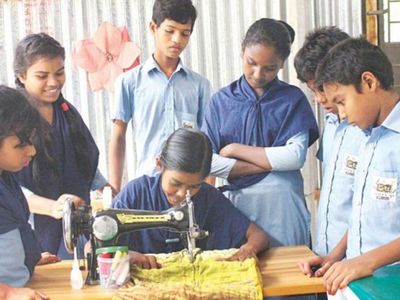
Drawing inspiration from Bangladesh’s traditional culture of on-the-job apprenticeships, our flagship programme is commonly referred to as STAR - a market-based skills training model. The model blends community-based learning with cutting edge vocational training, digital skills development and soft skills - and direct connections to decent work opportunities. Its results include a 22.6% rise in labour market participation, 78% more income-generating activities, and growth in average income. The programme has also played a vital role in preventing child marriages, with 62% of female trainees avoiding early marriage.
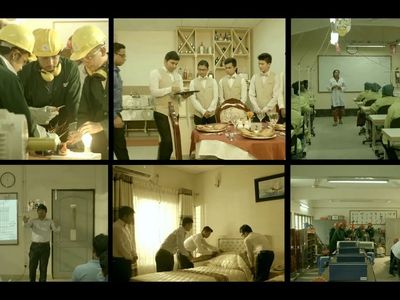
In addition to implementing community-based programming across 45 districts of Bangladesh, we also run skills training institutes. BRAC Institute of Skills Development currently operates 10 training institutes in 8 districts, prioritising underserved tier-two cities.
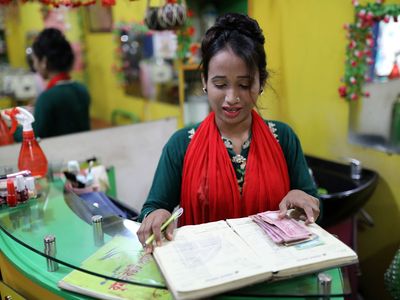
570,459
people equipped with skills, 54% of which are women
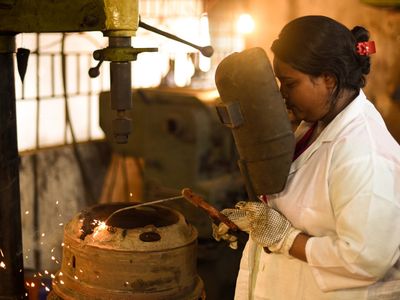
44,039
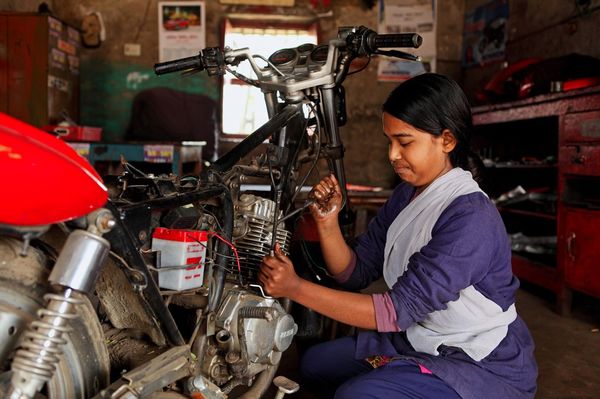
women trained in non-traditional trades

78%
average household income increase after skills training
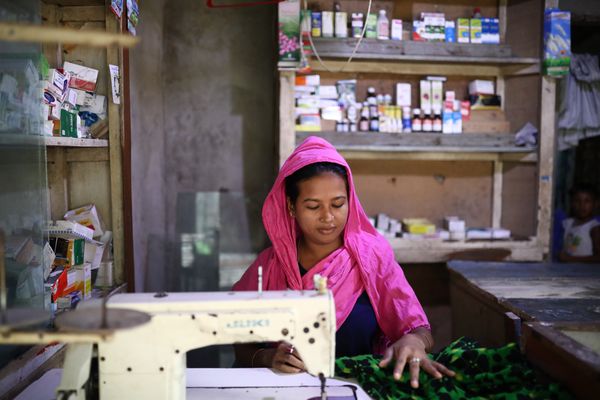
9,528 persons with disabilities and 352 gender-diverse people equipped with employable skills
53,441 people trained in employability and entrepreneurship
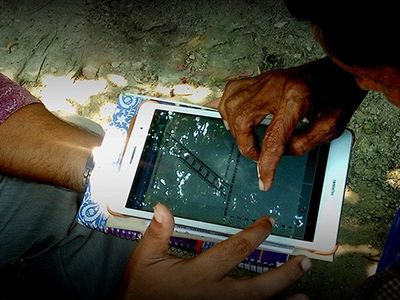
33,596 people trained in 2024 through 15 online courses and blended learning approaches
It costs a few hundred dollars to equip a girl with skills through an apprenticeship, which far outweighs the cost of their untapped potential.”
Asif Saleh
Executive Director, BRAC
Youth perception on Technical and Vocational training
Stories
-

Creating opportunities for youth in Bangladesh’s retail sector
Bangladesh’s retail sector is an important contributor to the country’s economic growth. It has significant potential to provide opportunities...if young people can access the relevant skills training.
Bangladesh has significant potential to provide opportunities for career progression for young people – but only if young people can access the relevant skills training. BRAC’s Skills Development Programme is providing just that, and seeing impressive initial results. -Nasifa Sefat Sultan & Mohammad Sadique Hasan, The Good Feed
-
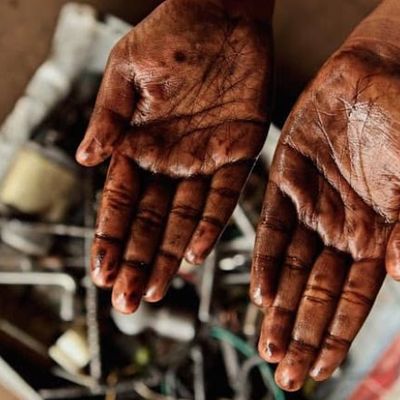
Powering Up International Women’s Day – The Skilled Girl Effect
As the trend toward greater female employment spreads across the country, women are increasingly taking up leadership positions as well, which has tremendous implications for the country’s workforce.
It costs a few hundred dollars to equip a girl with skills through an apprenticeship, which far outweighs the cost of their untapped potential. -Asif Saleh, Executive Director, BRAC
-
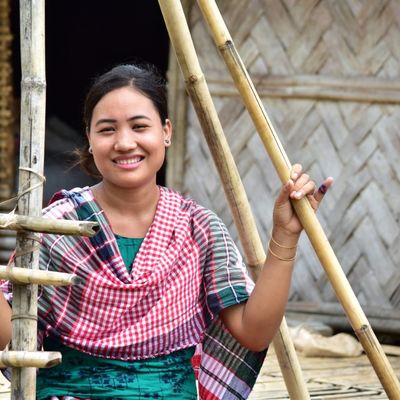
Apprenticeship-based training: A pathway toward ending child labor
As the trend toward greater female employment spreads across the country, women are increasingly taking up leadership positions as well, which has tremendous implications for the country’s workforce.
Living in a hard-to-reach area and having a support system which helps me learn and grow as a technician is unusual, but more young women are now stepping into this field -Sasanti Tripura, IT Technician | The Good Feed