Bangladesh has cut poverty in half since 2000, but social development has not been uniform. Over 41.7 million people are still living in extreme poverty and one in four people across Bangladesh live in multi-dimensional poverty.
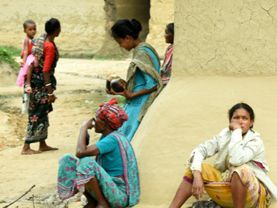
Many of these households are subjected to severe geographic, economic and social isolation where traditional development programming often struggles to reach. So the communities increasingly continue to remain left behind while the country moves forward.
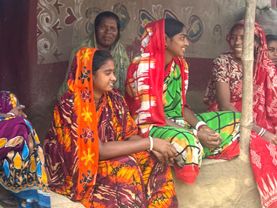
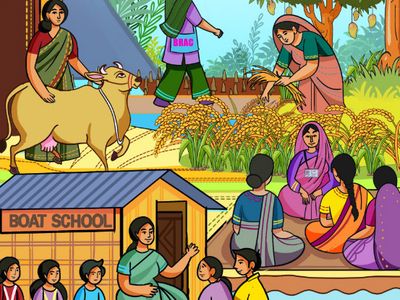
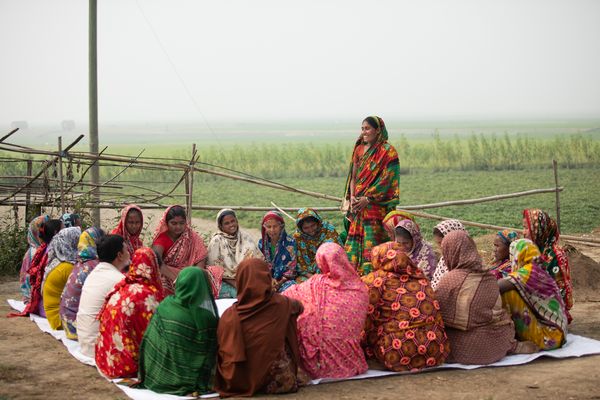
BRAC focuses on enhancing economic well-being, supercharge agency, fostering social empowerment and improving access to critical services through women-led village development organisations. Through these organisations, we deliver tailored packages of essential services across the life cycle, such as health, nutrition, education and skills development, and connect communities to government support and private sector opportunities. We are also piloting home-based nutrition-sensitive food production, combining horticulture, aquaculture and fisheries.
Our work spans hard-to-reach areas across 16 districts of Bangladesh, including haors (wetlands), the Chittagong Hill Tracts and chars (river islands), the Barind tract as well as southern coastal areas. We are also piloting an integrated approach to climate adaptation in climate-stressed areas of northwestern and southwestern Bangladesh, combining cross-sectoral training, farming input support, access to finance and creating market linkages to strengthen climate resilience.
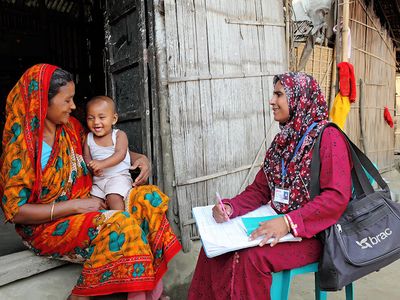
1.19M
people living in vulnerable conditions gained improved access to critical services.
59,610
people graduated out of ultra-poverty status.
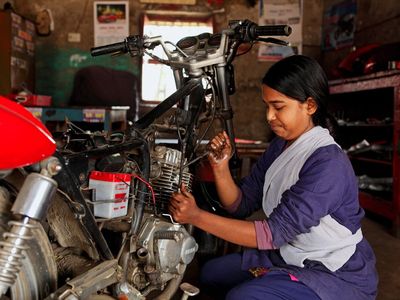
50,526
women and adolescent girls empowered with social rights to combat child marriage, discrimination and violence.
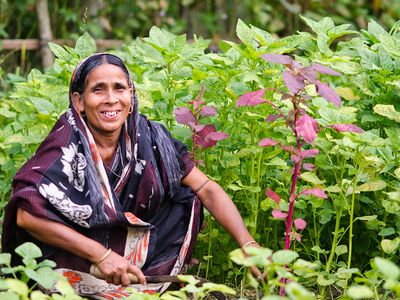
32,743
households currently practise climate-resilient homestead gardening.
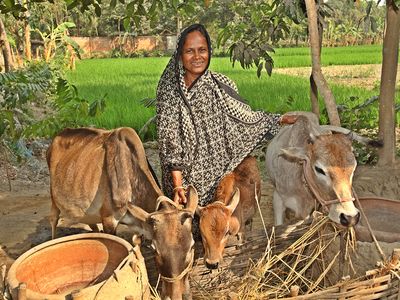
6,520
farmers have secured crop and livestock insurance through BRAC in the Haors of northeastern Bangladesh and the Barind tract.
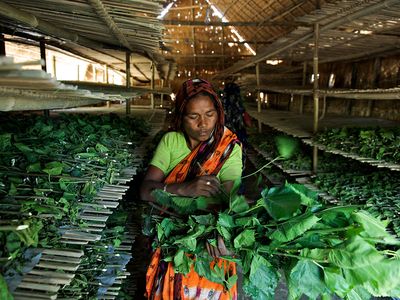
1395
people received BRAC livelihood support through skills including - training and job placement in 2024.
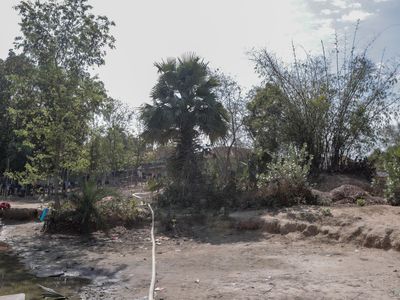
The Piped Water Network initiative at Chittagong Hill Tracts
Featured stories
-
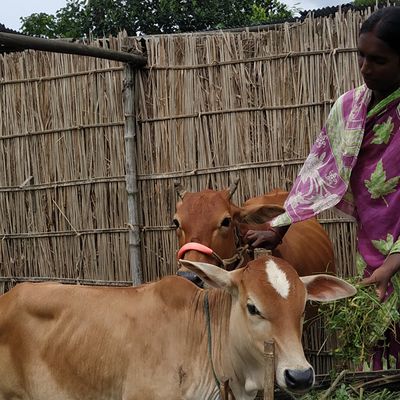
Development that works for indigenous people in Bangladesh
Every third indigenous student drops out of school at early primary level, mostly as a result of financial inability of families and remoteness of higher educational institutions. To reduce this, the project arranges career counselling sessions by inviting local, educated role models and the students enrolled in higher education, and people in financial assistance and capacity building.
-
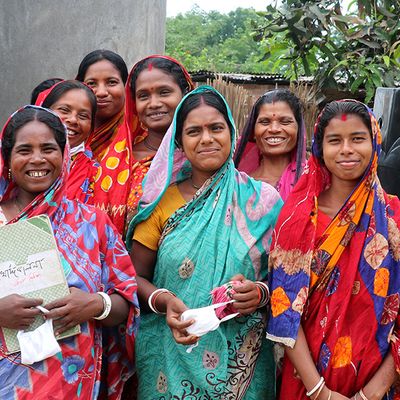
Confronting marginalisation with meetings. Can it foster indigenous leadership?
Village development organisation members create platforms to foster indigenous leadership. Members of indigenous communities raise their local problems and, through discussion, come up with potential solutions, strengthening indigenous leadership.
-
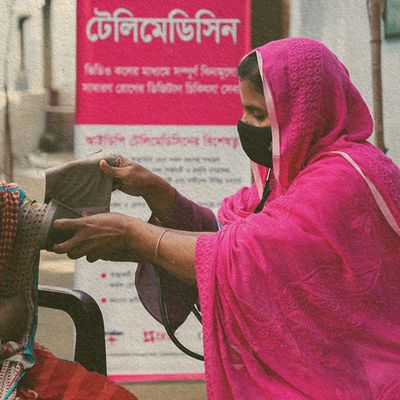
Digital doctor: Bridging healthcare gaps in remote areas
The approach is centred around women because women face additional challenges in accessing healthcare. Consultation in a private space with doctors and paramedics who are all women creates a sense of comfort for the patients.