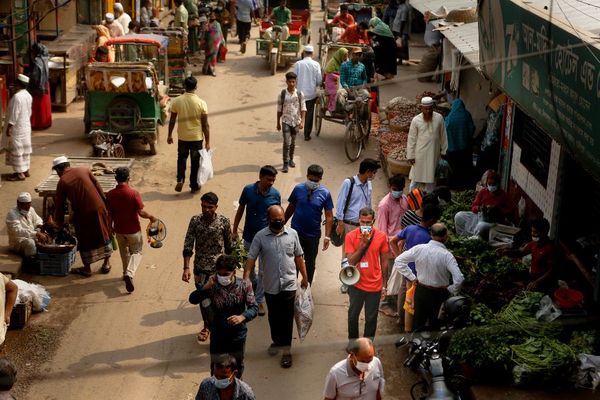
Rapid urbanisation and its challenges
By 2030, half of Bangladesh’s population will live in urban areas, with up to 2,000 people moving to the capital each day. Rapid, unplanned urbanisation has resulted in informal settlements where millions lack access to basic services such as water, housing, healthcare and education.
BRAC’s urban development response
BRAC launched its Urban Development Programme in 2016 to address these urgent challenges through a community-led, inclusive approach. We partner with local governments to promote planned, resilient and gender-responsive urban development.
Transforming lives in cities
To date, thousands of people living in urban poverty have experienced improved wellbeing with the support of BRAC. Over 306,000 people have gained access to safe water and sanitation and 444,000 people have benefited from improved waste management. We have built over 460 low-cost, climate-resilient houses and 3880 infrastructures for improved settlements.
By advancing climate action, urban greening initiatives, and piloting circular waste solutions with municipalities and local recyclers, we are making cities work better for everyone, especially the most marginalised.
Urban development at a glance
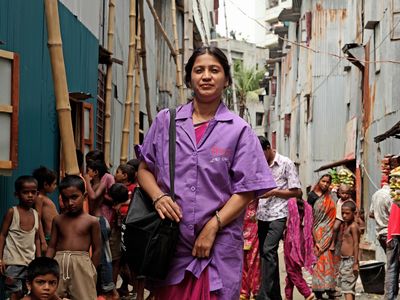
1.4M
people reached with improved wellbeing in urban poverty communities
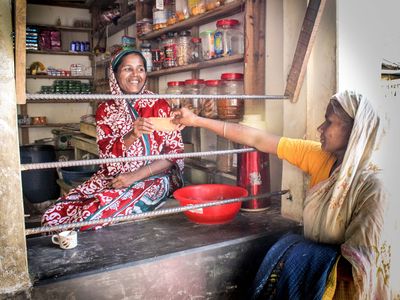
72%
of urban women now exercise control over their income
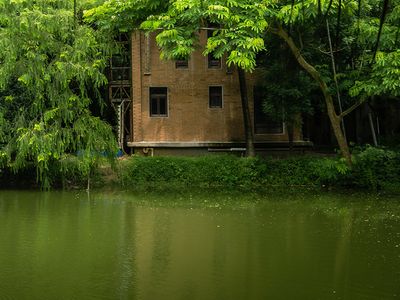
3,300 kg
of waste a month intercepted by Bangladesh’s first tide-adapted floating barrier
Making cities work for everyone in Bangladesh
Featured stories
-
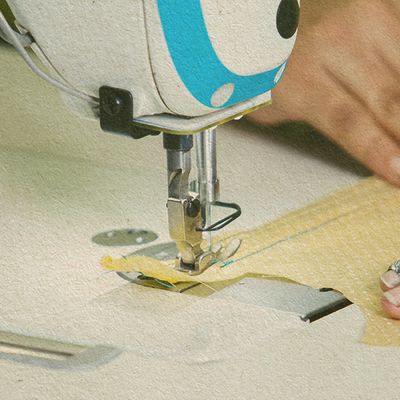
Living behind the ‘Made in Bangladesh’ label
Living behind the ‘Made in Bangladesh’ label
Realising the multidimensionality of the challenges that garment workers face, BRAC introduced one-stop service centers, to ensure access to a wide range of services through one platform. -
-
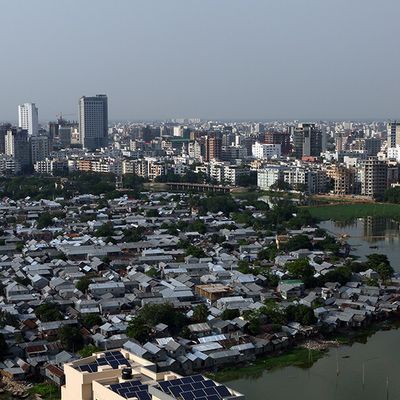
A quest for equitable cities
Discover BRAC's quest to build urban spaces that work for everyone.
BRAC’s Urban Development program supports building affordable and climate resilient low-cost houses, building and renovating WASH infrastructures, providing marginalised households with various occupational support, planting trees through households, supporting RMG workers, and constructing drainage systems, footpaths and roads in communities. -
-
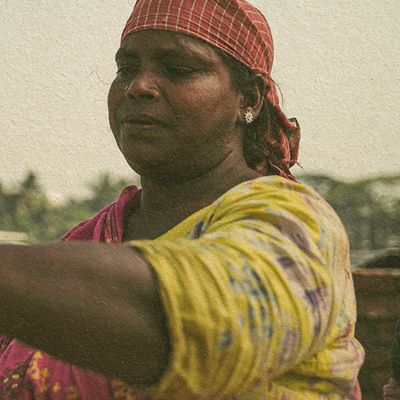
Deconstructing gender narratives brick-by-brick
Shayera Begum defied all odds to become a leader in the male-dominated field of construction in her community. It was a fifteen-year long, treacherous and, oftentimes, lonely journey to the destination. Read more to learn how Shayera banked on her resolve to overcome her circumstances.
Now, I dream of equal pay, shoulder-to-shoulder with my male mason colleagues. Though, I call it a dream but deep inside, I know it’s my right. -Shayera Begum, BRAC participant
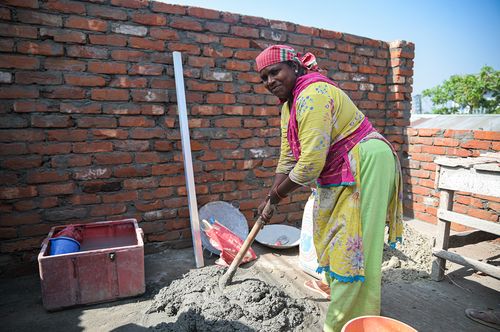
Now, I dream of equal pay, shoulder-to-shoulder with my male mason colleagues. Though, I call it a dream but deep inside, I know it’s my right.”
Shayera Begum, BRAC participant